Asimina triloba – Pawpaw Tree

Botanical Family Annonaceae

Bloom Time April – May

Pollen Characteristics

Dispersal Unit Monad

Aperture Number 1

Aperture Type Sulcus

Ornamentation Granulate/Perforate

Tectum Eutectate

Size (um) 

Shape Oval

Pollen Color 

Honey Bee Resources

Pollen Source •

Nectar Source •

Flower photo contributed by Mount Cuba

Scilla siberica – Siberian Squill

Botanical Family Asparagaceae

Bloom Time April

Pollen Characteristics

Dispersal Unit Monad

Aperture Number 1

Aperture Type Sulcus

Ornamentation Granulate/Perforate

Tectum Eutectate

Size (um) 

Shape Round

Pollen Color Blue

Honey Bee Resources

Pollen Source • • •

Nectar Source • •

Lamprocapnos spectabilis – Bleeding Heart


Botanical Family Papaveraceae

Bloom Time April – May

Pollen Characteristics

Dispersal Unit Monad

Aperture Number 3

Aperture Type Colpus

Ornamentation Reticulate

Tectum Semitectate

Size (um) 

Shape Round

Pollen Color

Stylophorum diphyllum – Celandine Poppy

Botanical Family Papaveraceae

Bloom Time April – June

Pollen Characteristics

Dispersal Unit Monad

Aperture Number 3

Aperture Type Sulcus

Ornamentation Granulate/Psilate

Tectum Eutectate

Size (um) 

Shape Round

Pollen Color Yellow

Honey Bee Resources

Pollen Source • •

Nectar Source • •

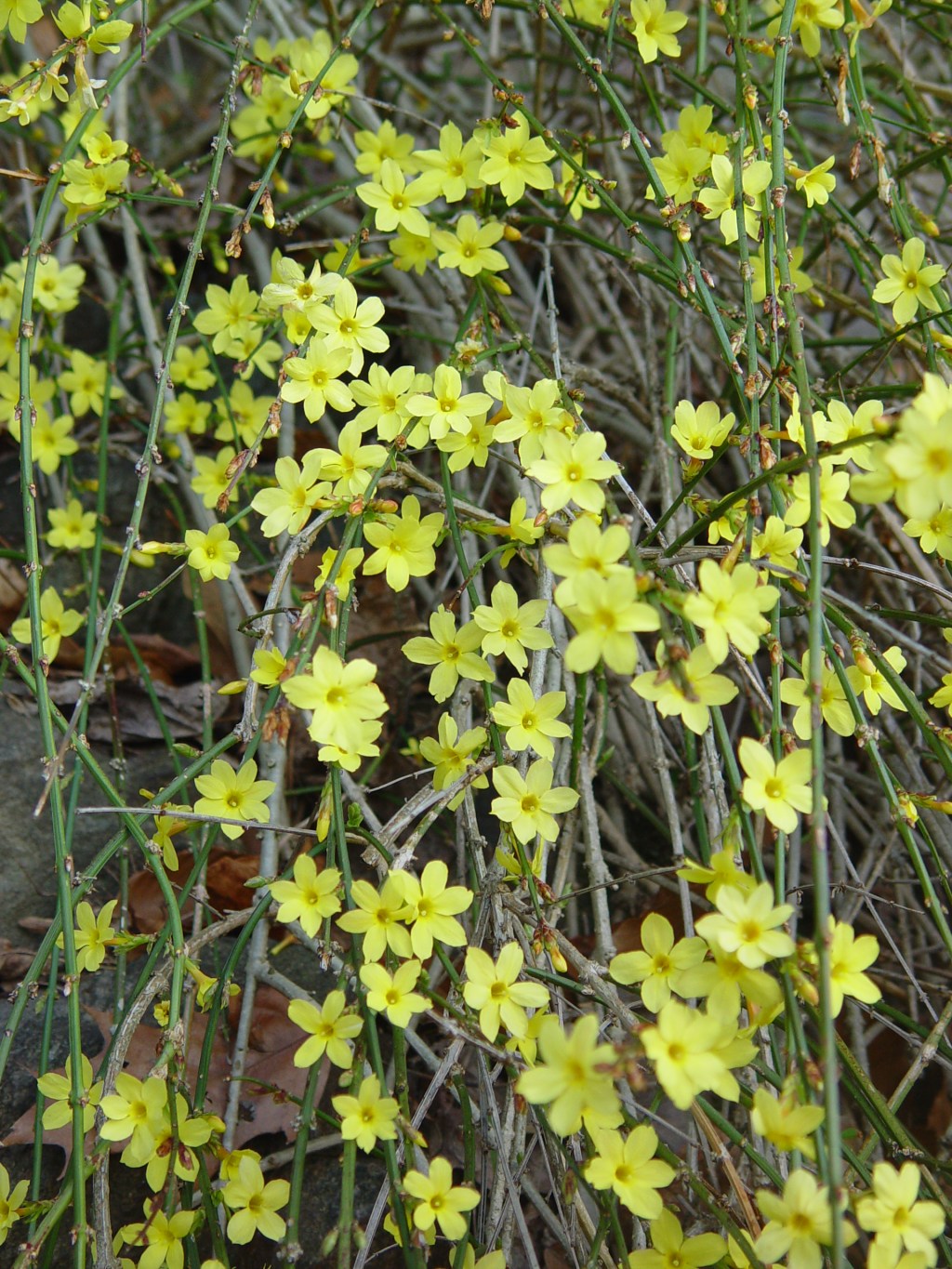
Jasminum nudiflorum – Winter Jasmine


Botanical Family Oleacea

Bloom Time March – April

Pollen Characteristics

Dispersal Unit Monad

Aperture Number 3 – 4

Aperture Type Colpus

Ornamentation Microreticulate

Tectum Semitectate

Size (um) 

Shape Round

Pollen Color Dark Yellow

Honey Bee Resource

Pollen Source • •

Nectar Source • •

Flower photo contributed by Mount Cuba

Claytonia virginica – Spring Beauty

Botanical Family Montiaceae

Bloom Time April

Pollen Characteristics

Dispersal Unit Monad

Aperture Number 3

Aperture Type Colpus

Ornamentation Granulate/Psilate

Tectum Eutectate

Size (um) 

Shape Round

Pollen Color

Honey Bee Resources

Pollen Source

Nectar Source

Flower photo contributed by Mount Cuba

Trillium grandiflorum – White Trillium

Botanical Family Melanthiaceae

Bloom Time April – June

Pollen Characteristics

Dispersal Unit Monad

Aperture Number 1

Aperture Type Sulcus

Ornamentation Granulate

Tectum Eutectate

Size (um) 

Shape Round

Pollen Color

Honey Bee Resources

Pollen Source

Nectar Source

Carya spp. – Hickory

Botanical Family Juglandaceae

Bloom Time April – May

Pollen Characteristics

Dispersal Unit Monad

Aperture Number 3

Aperture Type Colpus

Ornamentation Granulate/Psilate

Tectum Eutectate

Size (um) 

Shape Round

Pollen Color

Pieris japonica – Japanese Pieris

Botanical Family Ericaceae

Bloom Time April

Pollen Characteristics

Dispersal Unit Tetrad

Aperture Number Inaperturate

Aperture Type N/A

Ornamentation Psilate

Tectum Eutectate

Size (um) 

Shape Round

Pollen Color 

Honey Bee Resources

Pollen Source •

Nectar Source •

This flower is often visited more by bumble bees than honey bees, on average.


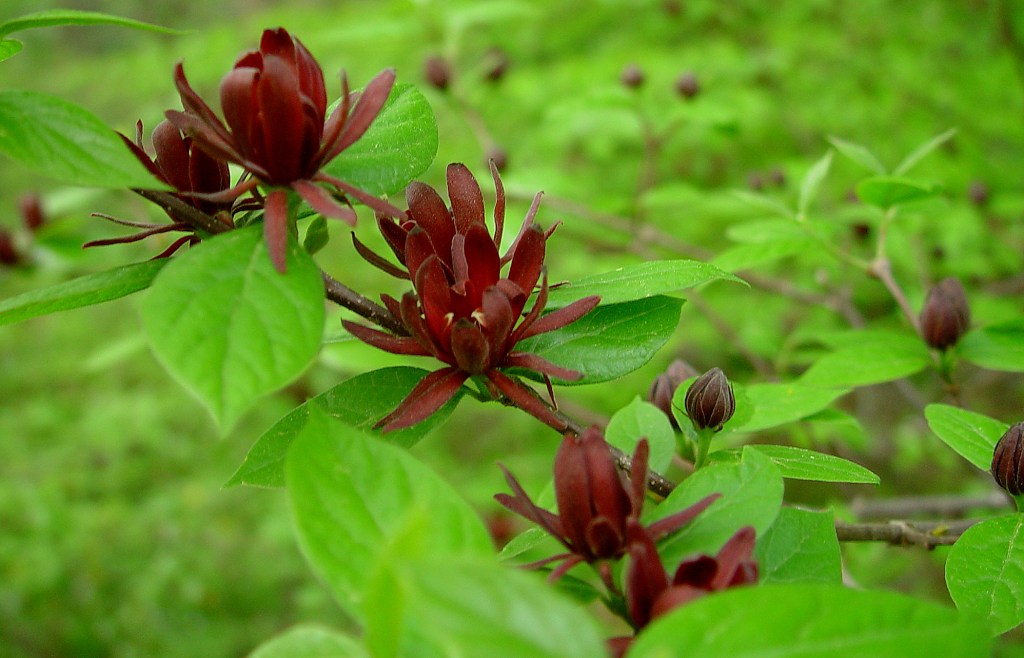
Calycanthus floridus – Carolina Allspice

Botanical Family Calycanthaceae

Bloom Time April – July

Pollen Characteristics

Dispersal Unit Monad

Aperture Number N/A

Aperture Type Sulcus

Ornamentation Granulate/Perforate

Tectum Eutectate

Size (um) 

Shape Round

Pollen Color

Honey Bee Resources

Pollen Source

Nectar Source

Flower photo contributed by Mount Cuba