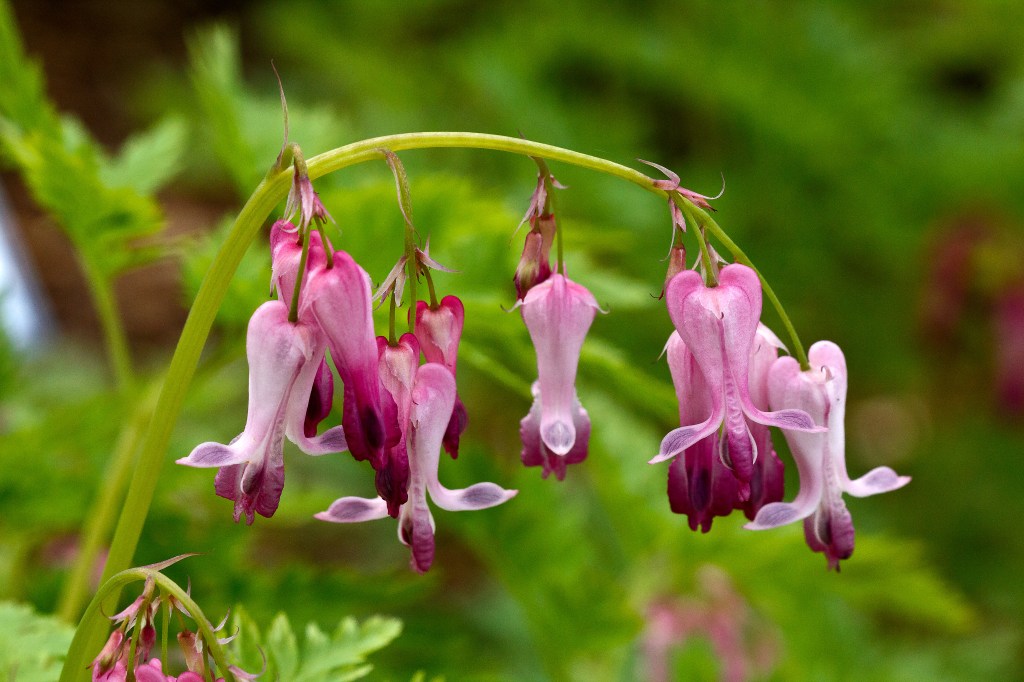
Dicentra eximia – Wild Bleeding Heart

Botanical Family Papaveraceae

Bloom Time May – August

Pollen Characteristics

Dispersal Unit Monad

Aperture Number 3

Aperture Type Colpus

Ornamentation Granulate/Perforate

Tectum Eutectate

Size (um)

Shape Round

Pollen Color 

Honey Bee Resources

Pollen Source

Nectar Source

Flower photo contributed by Mount Cuba

Datura Metel–Horn of Plenty


Botanical Family Solanaceae

Bloom Time  July – Frost


Pollen Characteristics

Dispersal Unit Monad

Aperture Number 3

Aperture Type Compound

Ornamentation Striate

Tectum Eutectate

Size

Shape Oval

Cucurbita pepo – Squash

Botanical Family Cucurbitaceae

Bloom Time July – August

Pollen Characteristics

Dispersal Unit Monad

Aperture Number Multiple

Aperture Type Porate

Ornamentation Echinate

Tectum Eutectate

Size (um)

Shape Round

Pollen Color Yellow

Honey Bee Resources

Pollen Source • •

Nectar Source • •

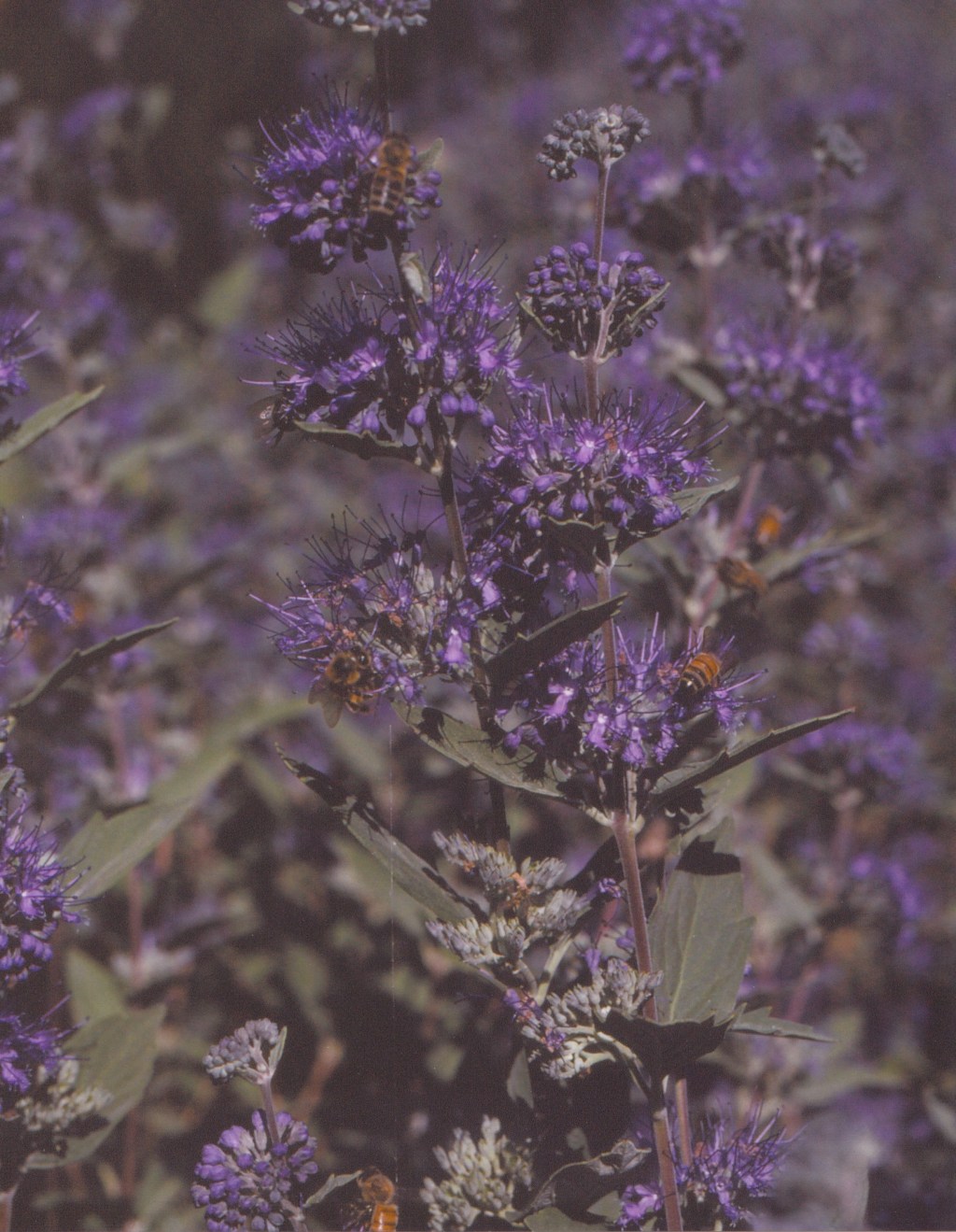
Coryopteris clandonensis–Bluebeard


Botanical Family Lamiaceae

Bloom Time July-September

Pollen Characteristics

Dispersal Unit Monad

Aperture Number 3

Aperture Type Colpus

Ornamentation Granulate/Perforate

Tectum Eutectate

Size (um)

Shape Round

Pollen Color

Commelina communis – Asiatic Dayflower


Botanical Family Commelinaceae

Bloom Time July – September

Pollen Characteristics

Dispersal Unit Monad

Aperture Number 0-1

Aperture Type Inaperturate

Ornamentation Echinate

Tectum Eutectate

Size (um)

Shape Oval 

Pollen Color Yellow, Blue, Brown

Honey Bee Resources

Pollen Source

Nectar Source

The pollen from Commelina communis is polymorphic, meaning that the pollen, and often the anthers as well, come in different colors. In this case, Commelina has yellow, blue, or brown anthers and pollens (Willner 2011). Commelina communis has sterile, or fodder pollen, as well as fertile pollen, and these different types of pollen can have different colors even on the same flower head.

Sources

Willmer, P. (2011). Pollination and floral ecology. Princeton, NJ: Princeton University Press.

Lunau, K. (1995). Notes on the colour of pollen. Plant Systematics and Evolution, 198(3/4), 235-252. Retrieved from http://www.jstor.org/stable/23642852

Cleome hassleriana – Spider Flower

Botanical Family Cleomaceae

Bloom Time May – August

Pollen Characteristics

Dispersal Unit Monad

Aperture Number 3

Aperture Type Sulcus

Ornamentation Granulate/Perforate

Tectum Eutectate

Size (um)

Shape Oval 

Pollen Color 

Honey Bee Resources

Pollen Source • •

Nectar Source •

Cichorium intybus – Chickory

Botanical Family Asteraceae

Bloom Time May – October

Pollen Characteristics

Dispersal Unit Monad

Aperture Number 3

Aperture Type Compound

Ornamentation Echinate

Tectum Eutectate

Size (um) 43

Shape Round

Pollen Color Tan, Light Yellow, Cream

Honey Bee Resources

Pollen Source

Nectar Source

Pollen Load Identification

Cichorium intybus is typically found on the head and antennae of a forging bee, along with in the pollen basket.


Chrysogonum virginianum – Golden Knee

Botanical Family Asteraceae

Bloom Time April – September

Pollen Characteristics

Dispersal Unit Monad

Aperture Number 3

Aperture Type Compound

Ornamentation Echinate

Tectum Eutectate

Size (um)

Shape Round

Pollen Color Dark Yellow

Honey Bee Resources

Pollen Source • •

Nectar Source •

Flower photos contributed by Mount Cuba

Caesalpinia mexicana–Mexican Holdback


Botanical Family Fabaceae

Bloom Time August-November

Pollen Characteristics

Dispersal Unit Monad

Aperture Number 3

Aperture Type Compound

Ornamentation Reticulate

Tectum Eutectate

Size (um)

Shape Shape 

Pollen Color