Carya spp. – Hickory

Botanical Family Juglandaceae

Bloom Time April – May

Pollen Characteristics

Dispersal Unit Monad

Aperture Number 3

Aperture Type Colpus

Ornamentation Granulate/Psilate

Tectum Eutectate

Size (um) 

Shape Round

Pollen Color

Securigera varia – Purple Crown Vetch

Botanical Family Fabaceae

Bloom Time May – August

Pollen Characteristics

Dispersal Unit Monad

Aperture Number 3

Aperture Type Colpus

Ornamentation Granulate/Psilate

Tectum Eutectate

Size (um) 

Shape Round

Pollen Color

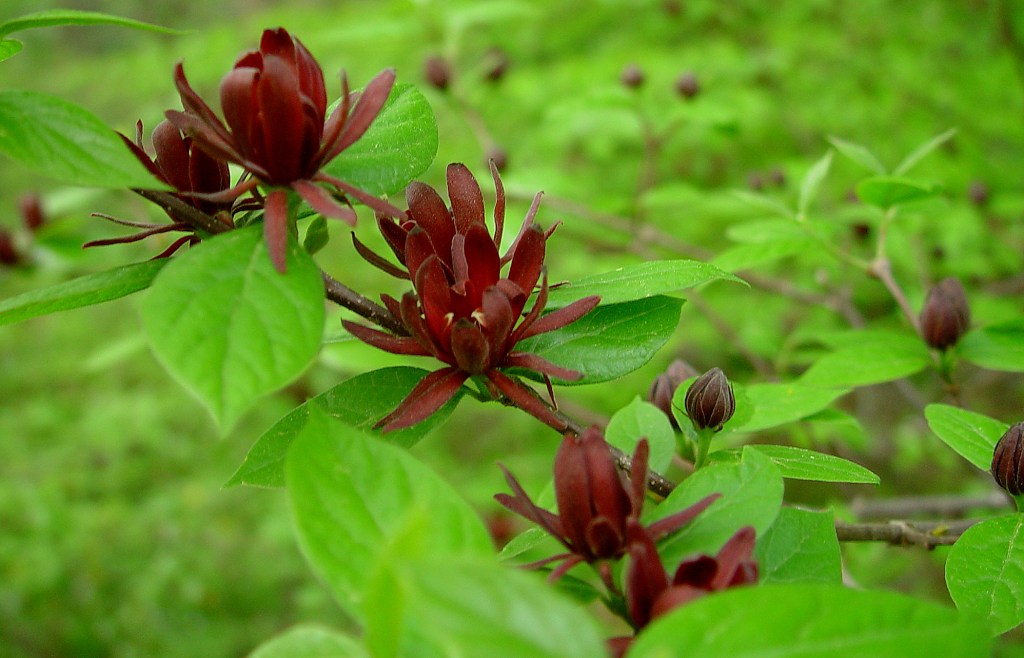
Calycanthus floridus – Carolina Allspice

Botanical Family Calycanthaceae

Bloom Time April – July

Pollen Characteristics

Dispersal Unit Monad

Aperture Number N/A

Aperture Type Sulcus

Ornamentation Granulate/Perforate

Tectum Eutectate

Size (um) 

Shape Round

Pollen Color

Honey Bee Resources

Pollen Source

Nectar Source

Flower photo contributed by Mount Cuba

Erysimum allionii – Siberian Wallflower

Botanical Family Brassicacaeae

Bloom Time April – June

Pollen Characteristics

Dispersal Unit Monad

Aperture Number 1+

Aperture Type Sulcus

Ornamentation Reticulate

Tectum Eutectate

Size (um) 18

Shape Round

Pollen Color

Vinca minor – Common Periwinkle

Botanical Family Apocynaceae

Bloom Time May – June

Pollen Characteristics

Dispersal Unit Monad

Aperture Number 1

Aperture Type Sulcus

Ornamentation Granulate/Perforate

Tectum Eutectate

Size (um)

Shape Oval

Pollen Color Tan, Light Yellow, White

Honey Bee Resources

Pollen Source •

Nectar Source • •

Taraxacum officinale – Dandelion

Botanical Family Asteraceae

Bloom Time March – December

Pollen Characteristics

Dispersal Unit Monad

Aperture Number 3

Aperture Type Porate

Ornamentation Lophate

Tectum Eutectate

Size (um) 35

Shape Round

Pollen Color Orange

Honey Bee Resources

Pollen Source

Nectar Source

Pollen Load Identification

Taraxacum pollen load is typically a large packet on the corbicula, but the pollen can also be found dusted on the head and antennae, and posterior thorax and abdomen of a foraging bee.

Resources

Hodges, D. (1952). The pollen loads of the honey bee: a guide to their identification by colour and form. London: Bee Research Assoc. Ltd.

Lindtner, P. (2014). Garden Plants for Honey Bees. Kalamazzo: Wicwas Press.

Stokesia ‘Honey Song Purple’ – Stokes’ Aster

Botanical Family Asteraceae

Bloom Time May – July

Pollen Characteristics

Dispersal Unit Monad

Aperture Number 3

Aperture Type Porate

Ornamentation Reticulate

Tectum Semitectate

Size (um) 

Shape 

Pollen Color 

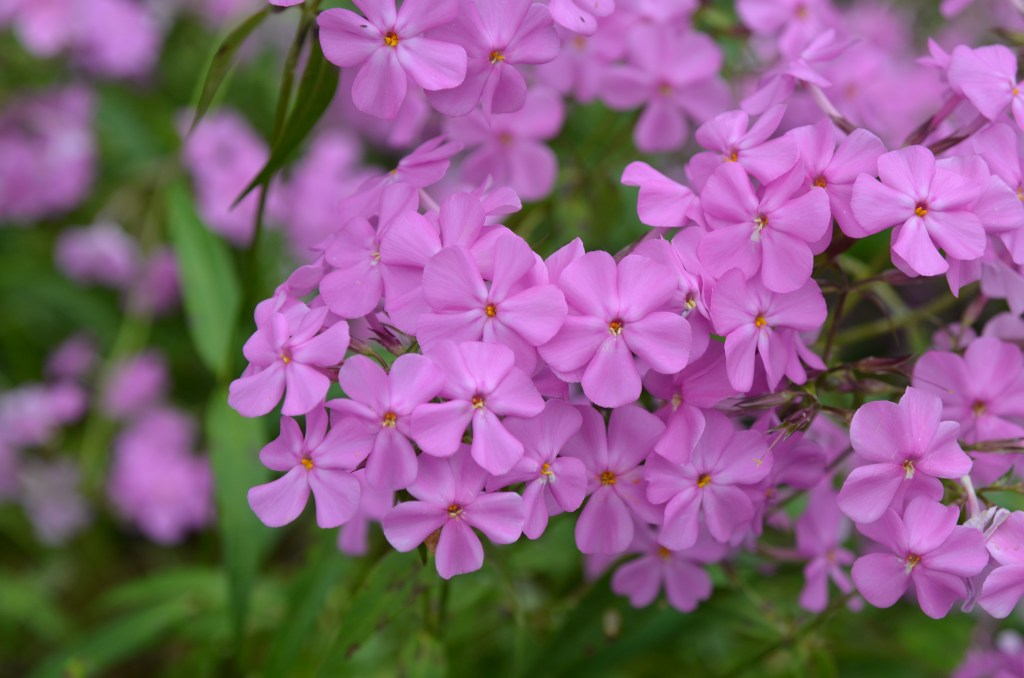
Phlox carolina ‘Bill Baker’ – Thickleaf Phlox

Botanical Family Polemoniaceae

Bloom Time April – May

Pollen Characteristics

Dispersal Unit Monad

Aperture Number >6

Aperture Type Porate

Ornamentation Reticulate

Tectum Eutectate

Size (um) 56

Shape Round

Pollen Color

Honey Bee Resources 

Pollen Source

Nectar Source

Flower photo contributed by Mount Cuba

Phlox carolina ‘Gypsy Love’ – Thickleaf Phlox

Botanical Family Polemoniaceae

Bloom Time April – May

Pollen Characteristics

Dispersal Unit Monad

Aperture Number >6

Aperture Type Porate

Ornamentation Reticulate

Tectum Semitectate

Size (um) 51

Shape Round

Pollen Color 


Phlox amplifolia – Large Leaf Phlox

Botanical Family Polemoniaceae

Bloom Time April – May

Pollen Characteristics

Dispersal Unit Monad

Aperture Number >6

Aperture Type Porate

Ornamentation Reticulate

Tectum Semitectate

Size (um) 51

Shape Round

Pollen Color