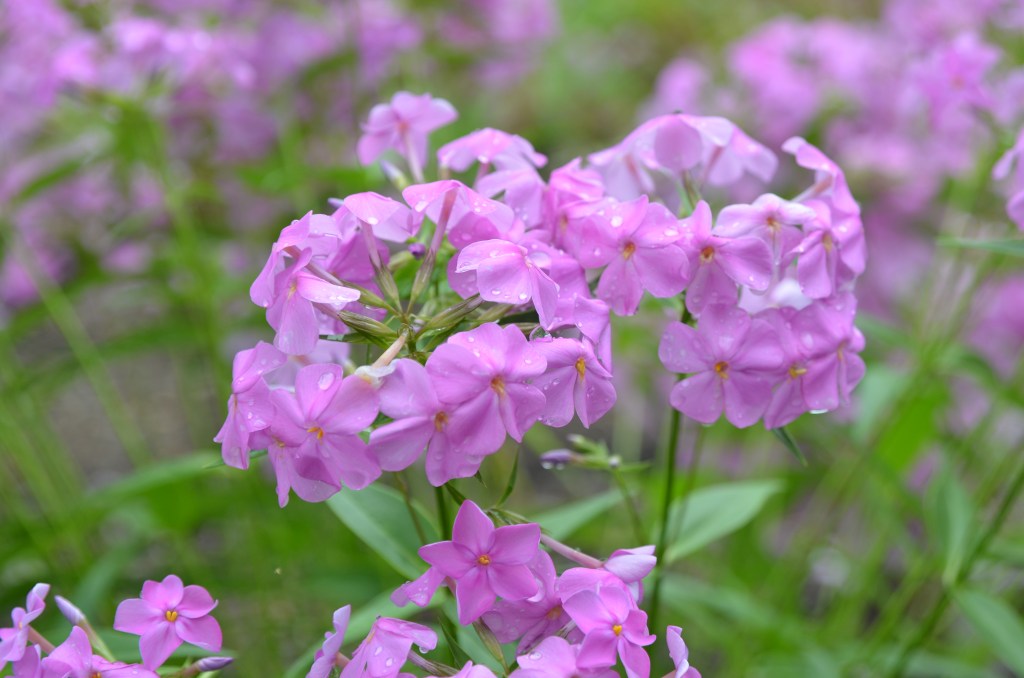
Phlox ‘Forever Pink’ – Phlox

Botanical Family: Polemoniaceae

Bloom Time April – May

Pollen Characteristics

Dispersal Unit Monad

Aperture Number >6

Aperture Type Porate

Ornamentation Reticulate

Tectum Semitectate

Size (um) 43

Shape Round

Pollen Color 

Honey Bee Resources

Pollen Source

Nectar Source

Flower photo contributed by Mount Cuba

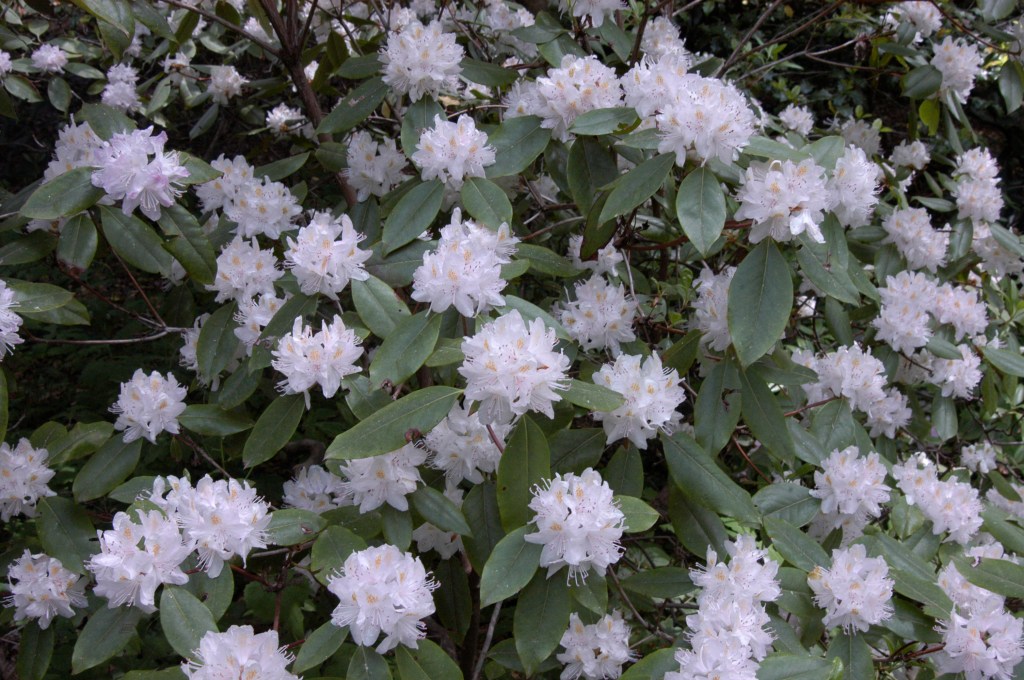
Rhododendron minus – Piedmont Rhododendron

Botanical Family: Ericaceae

Bloom Time April – May

Pollen Characteristics

Dispersal Unit Tetrad

Aperture Number 3

Aperture Type Colpus

Ornamentation Psilate

Tectum Eutectate

Size (um) 60

Shape Round

Pollen Color 

Honey Bee Resources

Pollen Source

Nectar Source

Flower photos contributed by Mount Cuba

Coreopsis grandiflora ‘Santa Fe Yellow’ – Large Flowered Tickseed

Botanical Family: Asteraceae

Bloom Time May – August

Pollen Characteristics

Dispersal Unit Monad

Aperture Number 3

Aperture Type Colporate

Ornamentation Echinate

Tectum Eutectate

Size (um) 20

Shape Round

Pollen Color Red-Yellow

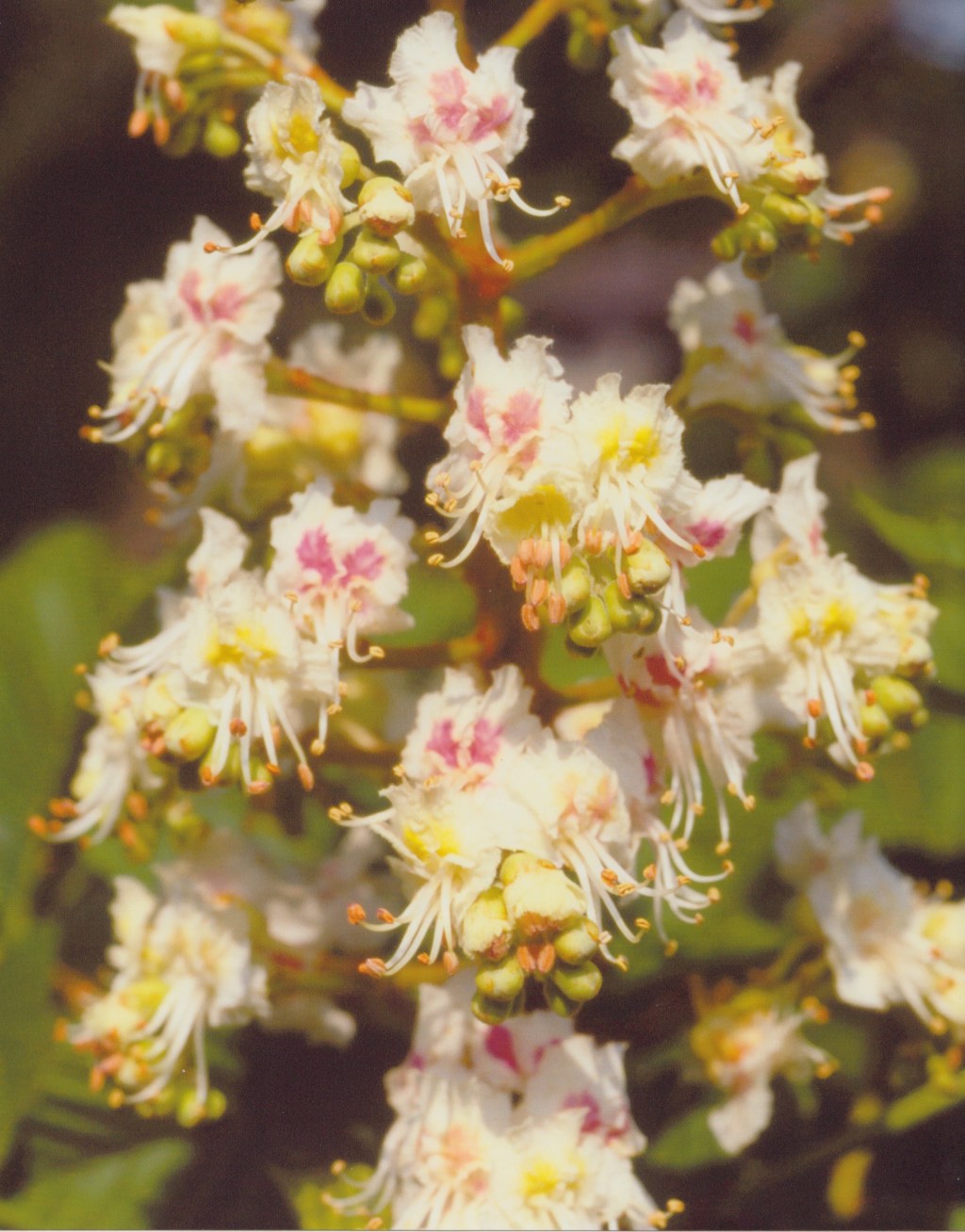
Aesculus hippocastanum – Horse Chestnut

Botanical Family Sapindaceae

Bloom Time May

Pollen Characteristics

Dispersal Unit Monad

Aperture Number 3

Aperture Type Compound

Ornamentation Psilate/Striate

Tectum Eutectate

Size (um) 20

Shape Round

Pollen Color Red

Honey Bee Resources

Pollen Source • • •

Nectar Source • • •

Pollen Load Identification

The pollen of Aesculus spp. is known to cause a lot of dusting on the body of the foraging bee. Typically, the Aesculus spp. pollen creates a dusting on the posterior thorax, and the posterior and anterior abdomen of the foraging bee. Pollen has also been noted on the wings of bees visiting Aesculus for nectar instead of pollen.

Resources

Hodges, D. (1952). The pollen loads of the honey bee: a guide to their identification by colour and form. London: Bee Research Assoc. Ltd.
Iris hexagona–Louisiana Iris

Botanical Family: Iridaceae

Bloom Time May – June

Pollen Characteristics

Dispersal Unit Monad

Aperture Number Inaperaturate

Aperture Type Sulcus

Ornamentation Psilate/Perforate

Tectum Eutectate

Size (um) 41 um

Shape Oval

Itea virginica – Virginia Sweetspire

Botanical Family: Iteaceae

Bloom Time May – June

Pollen Characteristics

Dispersal Unit Monad

Aperture Number Inaperaturate

Aperture Type N/A

Ornamentation Psilate/Perforate

Tectum Eutectate

Size (um) 21

Shape Irregularly shaped

Pollen Color Yellow

Honey Bee Resources

Pollen Source •

Nectar Source •


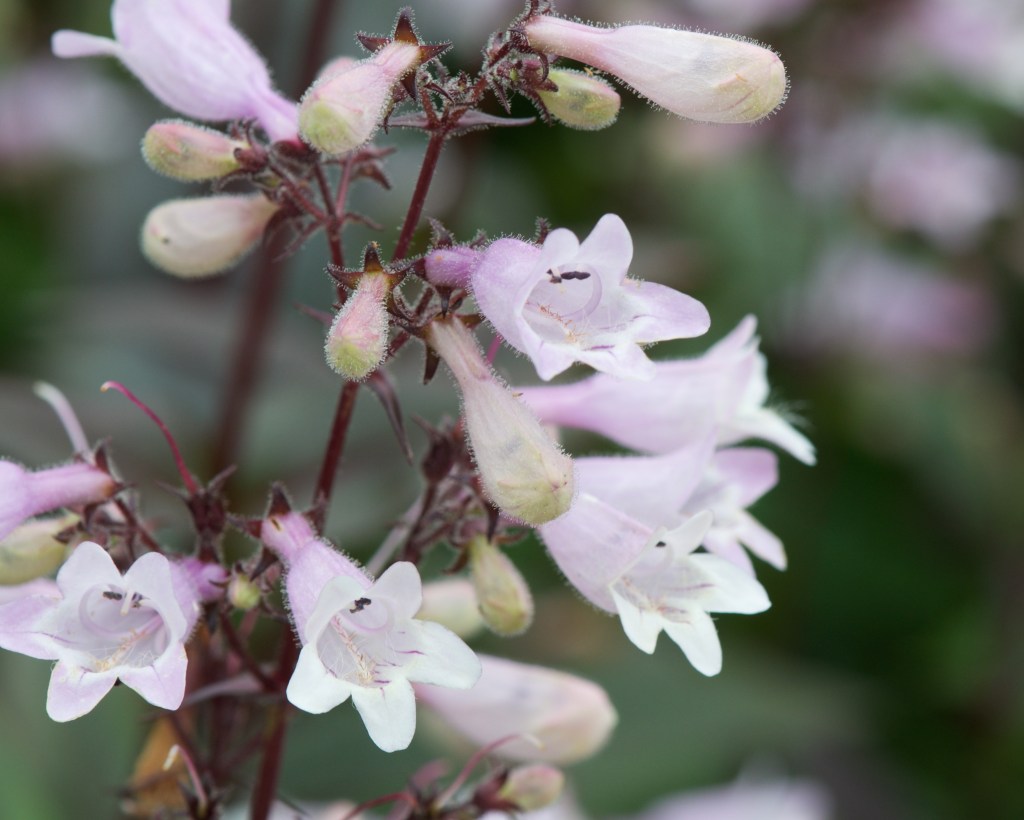
Penstemon digitalis – Beard Tongue

Botanical Family:  Plantaginaceae

Bloom Time April – June

Pollen Characteristics

Dispersal Unit Monad

Aperture Number 3

Aperture Type Compound

Ornamentation Psilate/Perforate

Tectum Eutectate

Size (um) 27 um

Shape Round

Pollen Color 

Honey Bee Resources

Pollen Source

Nectar Source

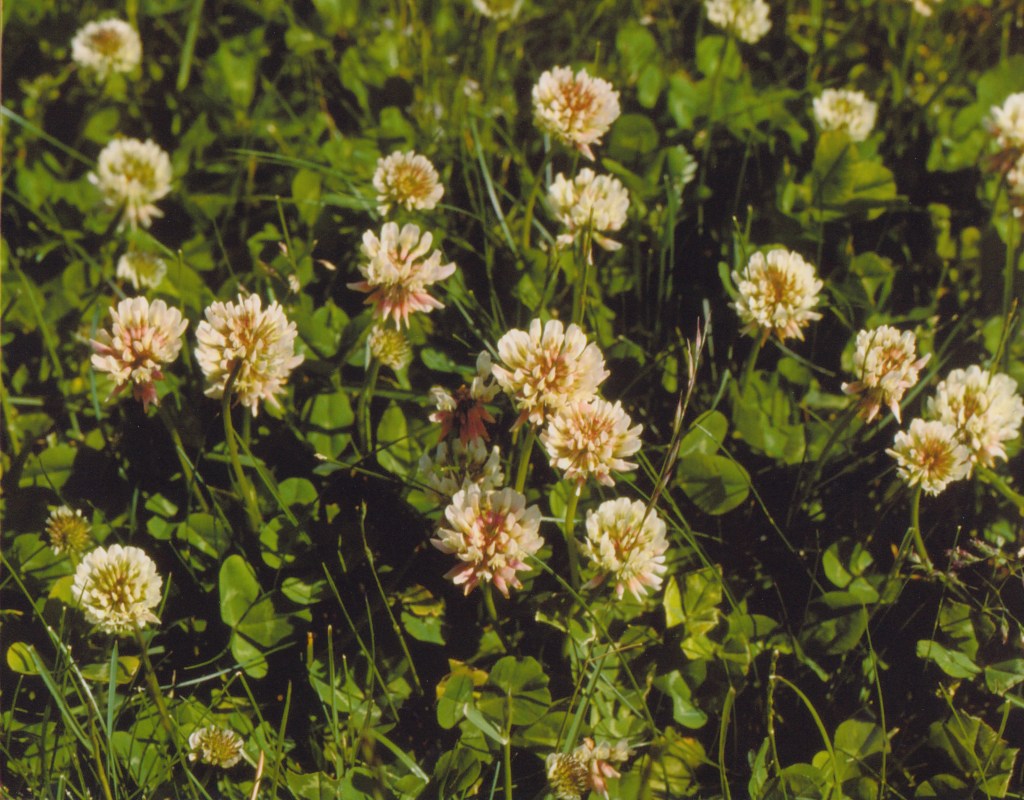
Trifolium repens – White Clover

Botanical Family Fabaceae

Bloom Time May – June

Pollen Characteristics

Dispersal Unit Monad

Aperture Number 3

Aperture Type Compound

Ornamentation Granulate/Perforate

Tectum Eutectate

Size (um) 29

Shape Round

Color Green

Honey Bee Resources

Pollen Source • • •

Nectar Source • • • •

Centaurea cyanus – Cornflower Thistle

Botanical Family Asteraceae

Bloom Time May – July

Pollen Characteristics

Dispersal Unit Monad

Aperture Number 3

Aperture Type Compound

Ornamentation Granulate

Tectum Semitectate

Size (um) 

Shape Round 

Pollen Color Yellow, Brown

Honey Bee Resources

Pollen Source •

Nectar Source • •