Botanical Family Fagaceae
Bloom Time June-July
Pollen Characteristics
Dispersal Unit Monad
Aperture Number 3
Aperture Type Compound
Ornamentation Granulate/Perforate
Tectum Eutectate
Size
Shape Round
Botanical Family Lamiaceae
Bloom Time June – July
Dispersal Unit Monad
Aperture Number 3
Aperture Type Colpus, possibly sulcate
Ornamentation Granulate/Perforate
Tectum Eutectate
Size (um)
Shape Round
Pollen Color
Botanical Family Araliaceae
Bloom Time July – August
Dispersal Unit Monad
Aperture Number 3
Aperture Type Colpus
Ornamentation Granulate/Perforate
Tectum Eutectate
Size (um)
Shape Triangular
Pollen Color Cream, White
Pollen Source •
Nectar Source •
Botanical Family Sapindaceae
Bloom Time June – July
Dispersal Unit Monad
Aperture Number 3
Aperture Type Compound
Ornamentation Granulate/Perforate
Tectum Eutectate
Size (um)
Shape Round
Pollen Color Red
Pollen Source • •
Nectar Source •
The pollen of Aesculus spp. is known to cause a lot of dusting on the body of the foraging bee. Typically, the Aesculus spp. pollen creates a dusting on the posterior thorax, and the posterior and anterior abdomen of the foraging bee. Pollen has also been noted on the wings of bees visiting Aesculus for nectar instead of pollen.
Hodges, D. (1952). The pollen loads of the honey bee: a guide to their identification by colour and form. London: Bee Research Assoc. Ltd.
Flower photos contributed by Mount Cuba
Botanical Family Fabaceae
Bloom Time April – May
Dispersal Unit Polyad
Aperture Number Inaperturate
Aperture Type N/A
Ornamentation Psilate
Tectum Eutectate
Size
Shape Round

Salix discolor–Pussy Willow
Botanical Family Salicaceae
Bloom Time March to April
Dispersal Unit Monad
Aperture Number 3
Aperture Type Compound
Ornamentation Reticulate
Tectum Semitectate
Size
Shape Round
Pollen Color Lemon Yellow
Honey is typical light amber in color, with a mild flavor. The honey from Salix spp. is typically not stored by the honey bees, as they use it for brood building.
Sammataro, D., and Harman A. (2013). “Major Flowers Important to Honey Bees in the Northeast and Mid-Atlantic States”. AlphaGraphics, Tucson, AZ.
Botanical Family Salicaceae
Bloom Time March – April
Dispersal Unit Monad
Aperture Number 3
Aperture Type Compound
Ornamentation Reticulate
Tectum Semitectate
Size (um) 18
Shape Round
Pollen Color Green, Yellow, Tan
Pollen Source • • • •
Nectar Source • •

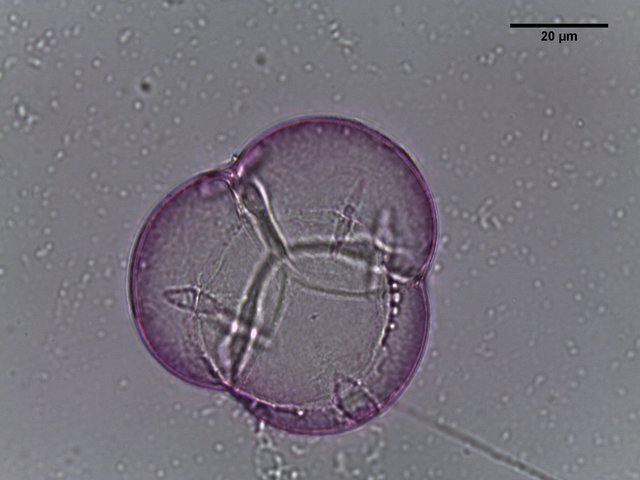
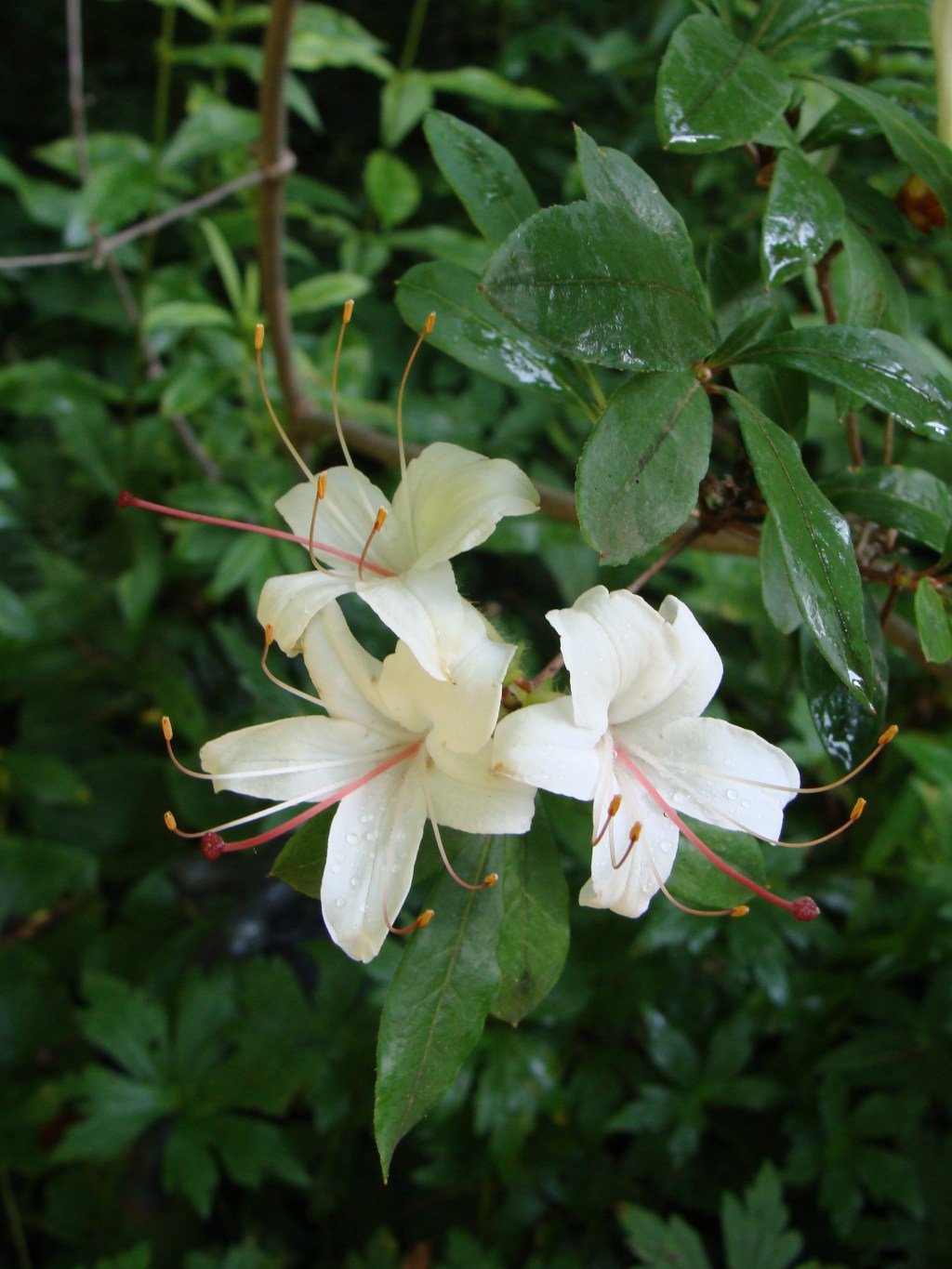
Rhododendron canescens–Mountain Azalea
Botanical Family Ericaceae
Bloom Time March–May
Dispersal Unit Tetrad
Aperture Number 0-1
Aperture Type Inaperturate
Ornamentation Psilate
Tectum Eutectate
Size
Shape Round
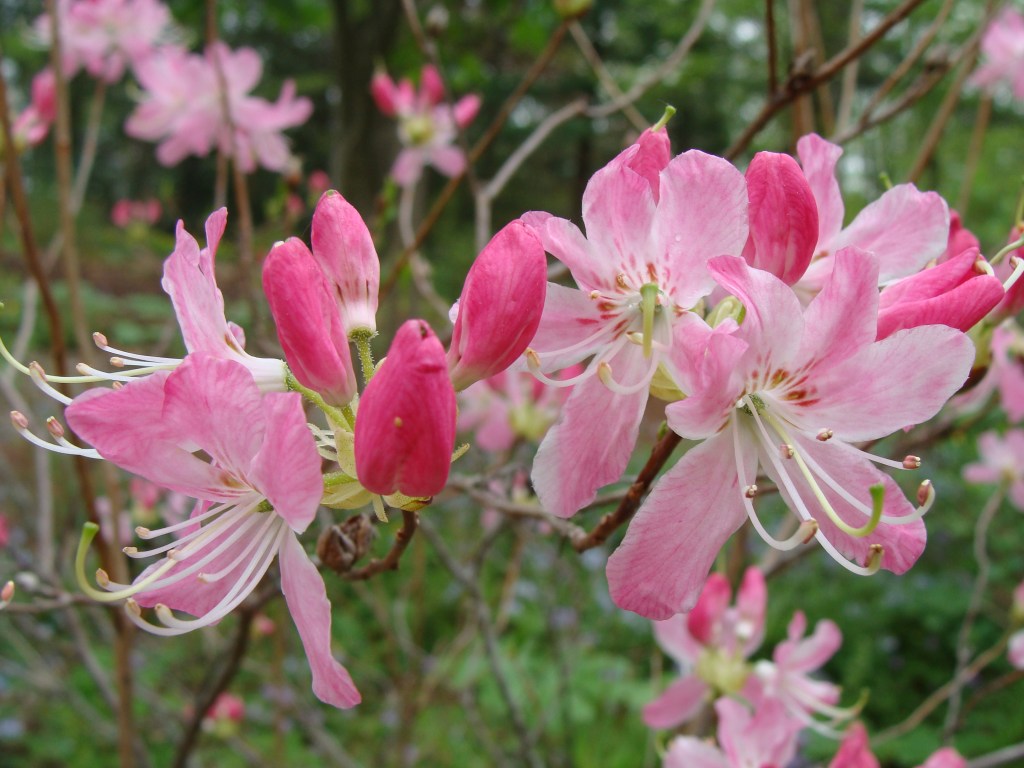
Botanical Family Ericaceae
Bloom Time May – July
Dispersal Unit Tetrad
Aperture Number 0-1
Aperture Type Inaperturate
Ornamentation Psilate
Tectum Eutectate
Size (um)
Shape Round
Pollen Color
Pollen Source
Nectar Source
Flower photos contributed by Mount Cuba
Botanical Family Ericaceae
Bloom Time April – May
Dispersal Unit Tetrad
Aperture Number 0-1
Aperture Type Inaperturate
Ornamentation Psilate
Tectum Eutectate
Size (um)
Shape Round
Pollen Color
Pollen Source
Nectar Source
Flower photo contributed by Mount Cuba