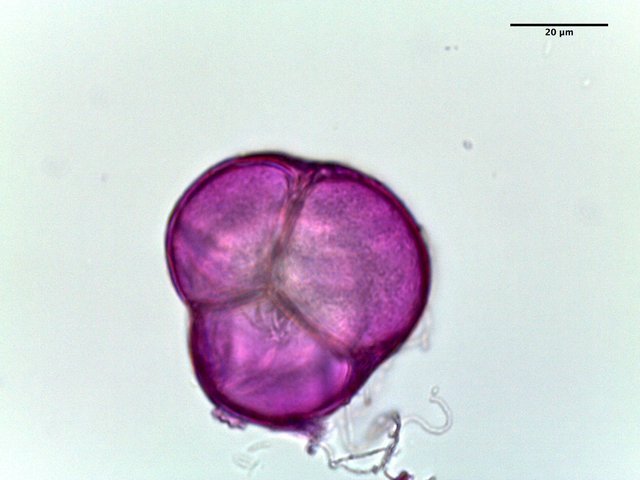
Rhododendron flammeum–Oconee Azalea
Botanical Family Ericaceae
Bloom Time April to May
Pollen Characteristics
Dispersal Unit Tetrad
Aperture Number 0-1
Aperture Type Inaperturate
Ornamentation Psilate
Tectum Eutectate
Size
Shape Round
Rhododendron flammeum–Oconee Azalea
Botanical Family Ericaceae
Bloom Time April to May
Dispersal Unit Tetrad
Aperture Number 0-1
Aperture Type Inaperturate
Ornamentation Psilate
Tectum Eutectate
Size
Shape Round


Botanical Family Ericaceae
Bloom Time April–June
Dispersal Unit Tetrad
Aperture Number 0-1
Aperture Type Inaperturate
Ornamentation Psilate
Tectum Eutectate
Size
Shape Round
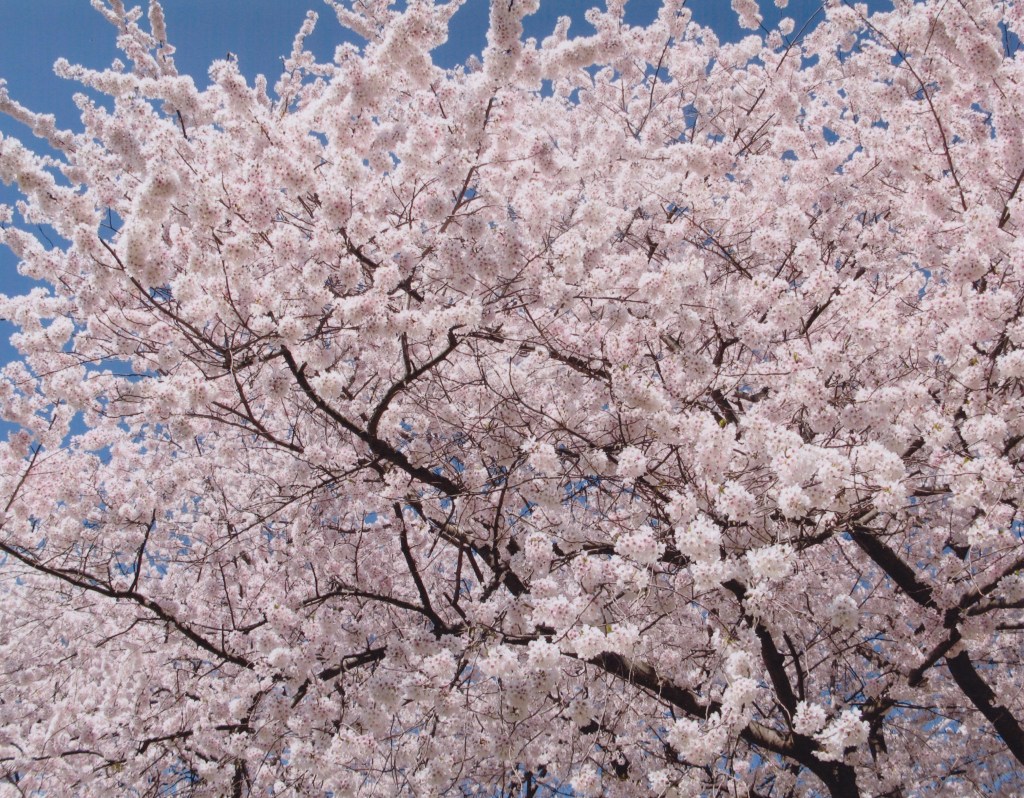


Bloom Time February – May
Dispersal Unit Monad
Aperture Number 3
Aperture Type Compound
Ornamentation Striate
Tectum Semitectate
Size (um)
Shape Triangular
Pollen Color Yellow, Brown, Tan
Pollen Source • •
Nectar Source • • •
Prunus spp. honey is typically light in color, quick to granulate, but has good flavor. Prunus spp. may contribute to early honey surplus for honey bees.
Sammataro, D. and Harman, A. (2013). “Major Flowers Important to Honey Bees in the Northeast and Mid-Atlantic States”. AlphaGraphics, Tucson, AZ.


Botanical Family Rosaceae
Bloom Time April
Dispersal Unit Monad
Aperture Number 3
Aperture Type Compound
Ornamentation Striate
Tectum Eutectate
Size
Shape Round
Pollen Color Yellow- Brown
Prunus spp. honey is typically light in color, quick to granulate, but has good flavor. Prunus spp. may contribute to early honey surplus for honey bees.
Sammataro, D. and Harman, A. (2013). “Major Flowers Important to Honey Bees in the Northeast and Mid-Atlantic States”. AlphaGraphics, Tucson, AZ.
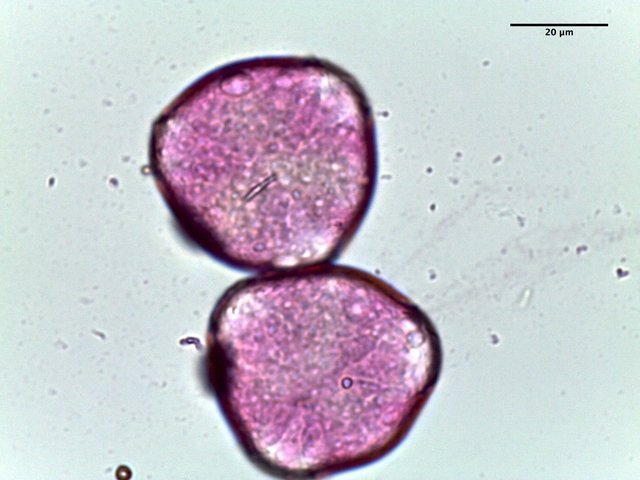
Prunus spp.–Chokecherry
Botanical Family Roseaceae
Bloom Time
Dispersal Unit Monad
Aperture Number 3
Aperture Type Compound
Ornamentation Granulate/Perforate
Tectum Eutectate
Size
Shape Round

Prunus serotina – Black cherry
Botanical Family Rosaceae
Bloom Time April – May
Dispersal Unit Monad
Aperture Number 3
Aperture Type Compound
Ornamentation Striate
Tectum Eutectate
Size (um)
Shape Triangular
Pollen Color Brown
Pollen Source • •
Nectar Source • •
Prunus spp. honey is typically light in color, quick to granulate, but has good flavor. Prunus spp. may contribute to early honey surplus for honey bees.
Sammataro, D. and Harman, A. (2013). “Major Flowers Important to Honey Bees in the Northeast and Mid-Atlantic States”. AlphaGraphics, Tucson, AZ.


Botanical Family Roseaceae
Bloom Time March – June
Dispersal Unit Monad
Aperture Number 3
Aperture Type Colpus
Ornamentation Striate
Tectum Semitectate
Size (um)
Shape Round
Pollen Color Yellow
Pollen Source • •
Nectar Source • •
Prunus spp. honey is typically light in color, quick to granulate, but has good flavor. Prunus spp. may contribute to early honey surplus for honey bees.
Sammataro, D. and Harman, A. (2013). “Major Flowers Important to Honey Bees in the Northeast and Mid-Atlantic States”. AlphaGraphics, Tucson, AZ.

Prunus incisa–Fuji Cherry
Botanical Family Roseaceae
Bloom Time
Dispersal Unit Monad
Aperture Number 3
Aperture Type Colpus
Ornamentation Striate
Tectum Semitectate
Size
Shape Round


Botanical Family Rosaceae
Bloom Time February – March
Dispersal Unit Monad
Aperture Number 3
Aperture Type Compound
Ornamentation Granulate/Perforate
Tectum Eutectate
Size (um)
Shape Triangular
Pollen Color Green, Brown
Pollen Source • •
Nectar Source • •

Corylopsis gladrescens–Fragrant Winterhazel
Botanical Family Hamamelidaceae
Bloom Time February–April
 The Anther's Promise