Centaurea solstitialis – Yellow Star-Thistle

Botanical Family Asteraceae

Bloom Time Seasonal

Pollen Characteristics

Dispersal Unit Monad

Aperture Number 3

Aperture Type Compound

Ornamentation Lophate

Tectum Semitectate

Size (um)

Shape Round 

Pollen Color Yellow, Brown

Honey Bee Resources

Pollen Source •

Nectar Source •

Catalpa bignonioides – Southern Catalpa


Botanical Family Bignoniaceae

Bloom Time April – July

Pollen Characteristics

Dispersal Unit Polyad

Aperture Number 0-1

Aperture Type Inaperturate

Ornamentation Granulate/Perforate

Tectum Eutectate

Size (um)

Shape Round

Pollen Color Yellow

Honey Bee Resources

Pollen Source •

Nectar Source • •

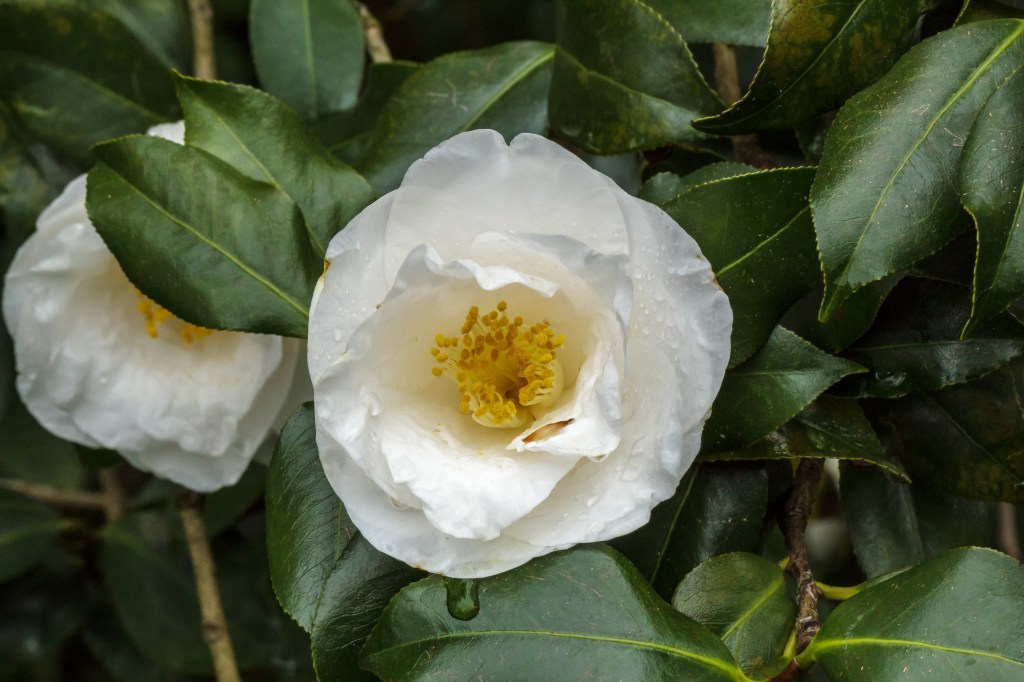
Camellia japonica – Broadleaf evergreen

Botanical Family Theaceae

Bloom Time March

Pollen Characteristics

Dispersal Unit Monad

Aperture Number 3

Aperture Type Compound

Ornamentation Granulate/Perforate

Tectum Eutectate 

Size (um)

Shape Round

Pollen Color Yellow

Honey Bee Resources

Pollen Source • •

Nectar Source •

Flower photo contributed by Mount Cuba

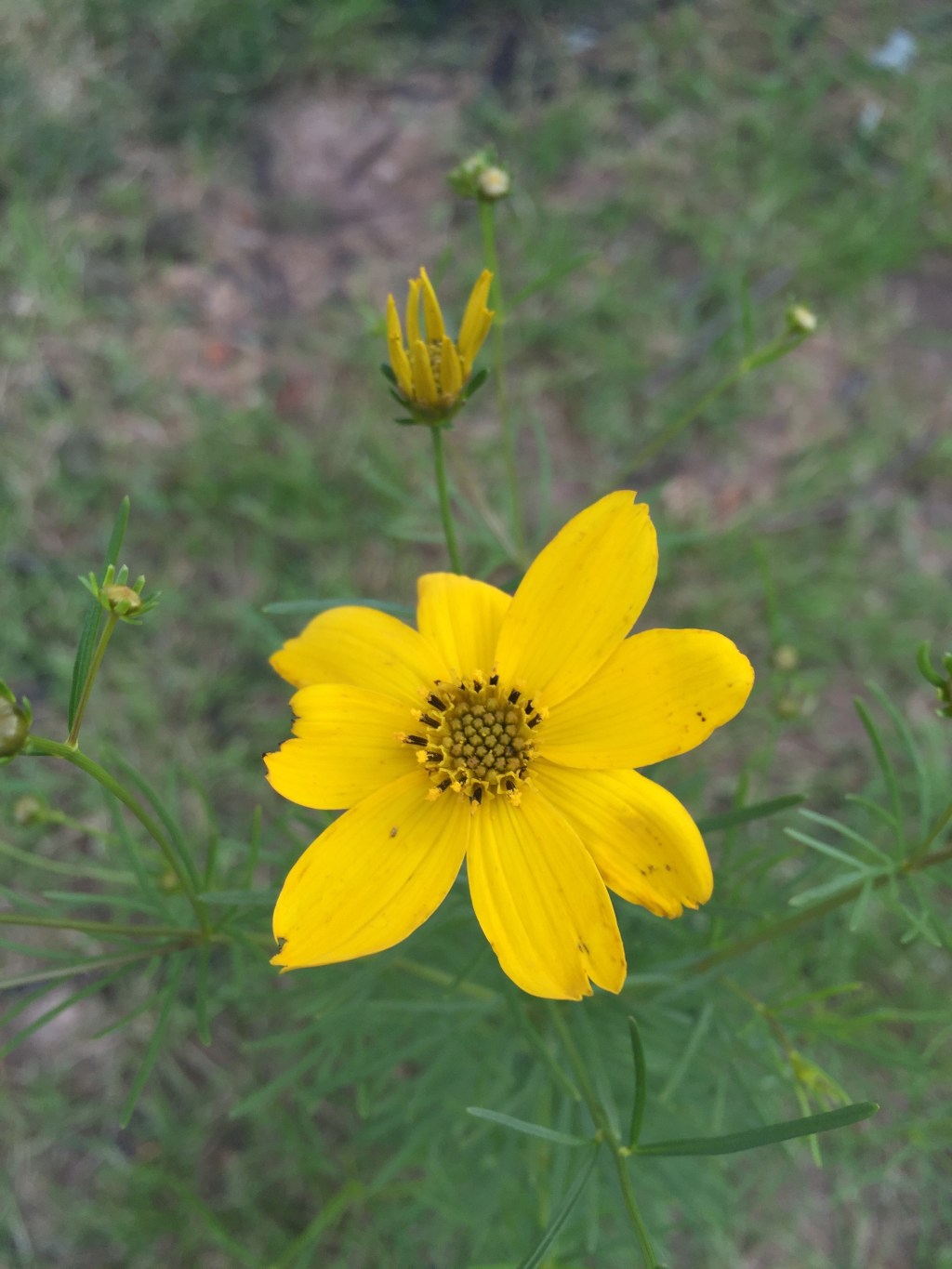
Coreopsis verticillata – Threadleaf Coreopsis

Botanical Family Asteraceae

Bloom Time May – October

Pollen Characteristics

Dispersal Unit Monad

Aperture Number 3

Aperture Type Compound

Ornamentation Echinate

Tectum Eutectate

Size (um)

Shape Round 

Pollen Color Yellow

Honey Bee Resources

Pollen Source •

Nectar Source •

Betula pendula – Silver Birch

Botanical Family Betulaceae

Bloom Time February

Pollen Characteristics

Dispersal Unit Monad

Aperture Number 3

Aperture Type Compound

Ornamentation Granulate/Perforate

Tectum Eutectate

Size (um)

Shape Round

Pollen Color Yellow, Green

Honey Bee Resources

Pollen Source •

Nectar Source N/A

Salix caprea – Pussy Willow


Botanical Family Salicaceae

Bloom Time March – April

Pollen Characteristics 

Dispersal Unit Monad

Aperture Number 3

Aperture Type Compound

Ornamentation Reticulate

Tectum Semitectate

Size (um) 18

Shape Round

Pollen Color Green, Yellow, Tan

Honey Bee Resource

Pollen Source • • • • 

Nectar Source • • 

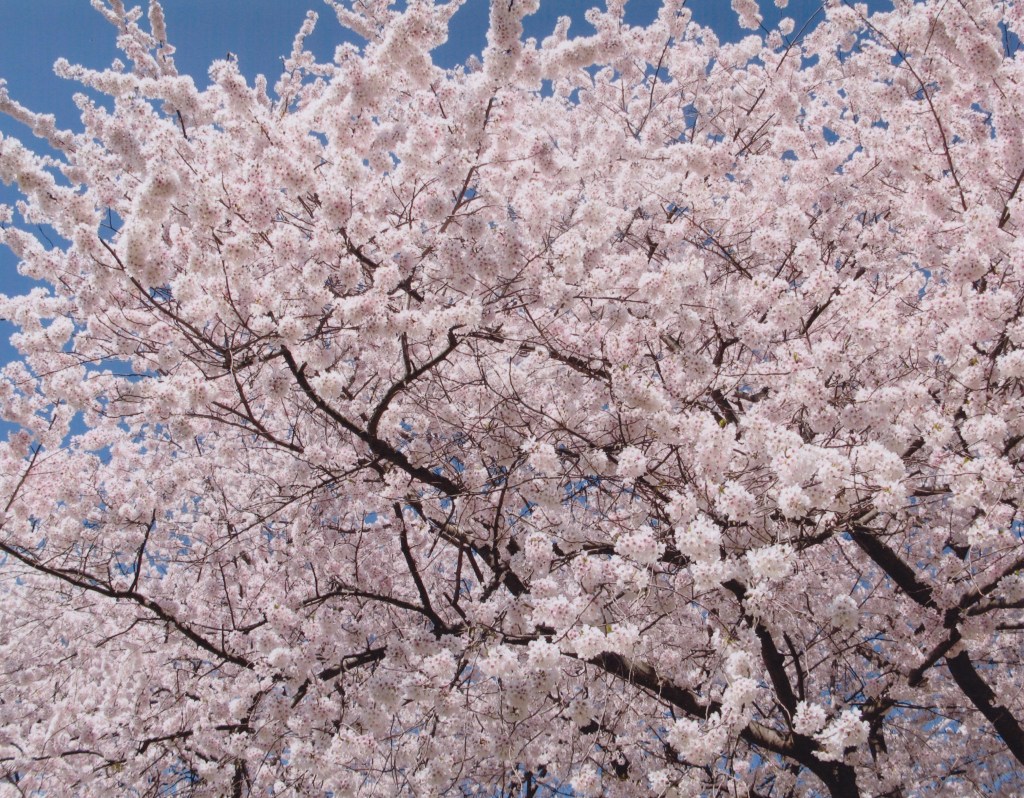
Prunus yedoensis – Yoshino Cherry

Bloom Time February – May

Pollen Characteristics

Dispersal Unit Monad

Aperture Number 3

Aperture Type Compound

Ornamentation Striate

Tectum Semitectate

Size (um)

Shape Triangular

Pollen Color Yellow, Brown, Tan

Honey Bee Resources

Pollen Source • •

Nectar Source • • •

Prunus spp. honey is typically light in color, quick to granulate, but has good flavor. Prunus spp. may contribute to early honey surplus for honey bees.

Source

Sammataro, D. and Harman, A. (2013). “Major Flowers Important to Honey Bees in the Northeast and Mid-Atlantic States”. AlphaGraphics, Tucson, AZ.


Anemone pulsatilla – Pasqueflower

Botanical Family Ranunculaceae

Bloom Time March – June

Pollen Characteristics

Dispersal Unit Monad

Aperture Number 3

Aperture Type Colpus

Ornamentation Perforate/Granulate

Tectum Eutectate

Size (um)

Shape Round

Pollen Color Yellow

Honey Bee Resources

Pollen Source •

Nectar Source •

Amelanchier laevis – Allegheny Serviceberry

Botanical Family Roseaceae

Bloom Time March – May

Pollen Characteristics

Dispersal Unit Monad

Aperture Number 4

Aperture Type Irregular

Ornamentation Psilate

Tectum Eutectate

Size (um)

Shape Irregular

Pollen Color Yellow

Honey Bee Resources

Pollen Source •

Nectar Source •
Resources

Flower photos contributed by Mount Cuba