Lobelia cardinalis – Cardinal Flower

Botanical Family Campanulaceae

Bloom Time July – September

Pollen Characteristics

Dispersal Unit Monad

Aperture Number 3

Aperture Type Compound

Ornamentation Echinate

Tectum Eutectate

Size (um) 56

Shape Round

Pollen Color Cream, White

Honey Bee Resources

Pollen Source • •

Nectar Source •

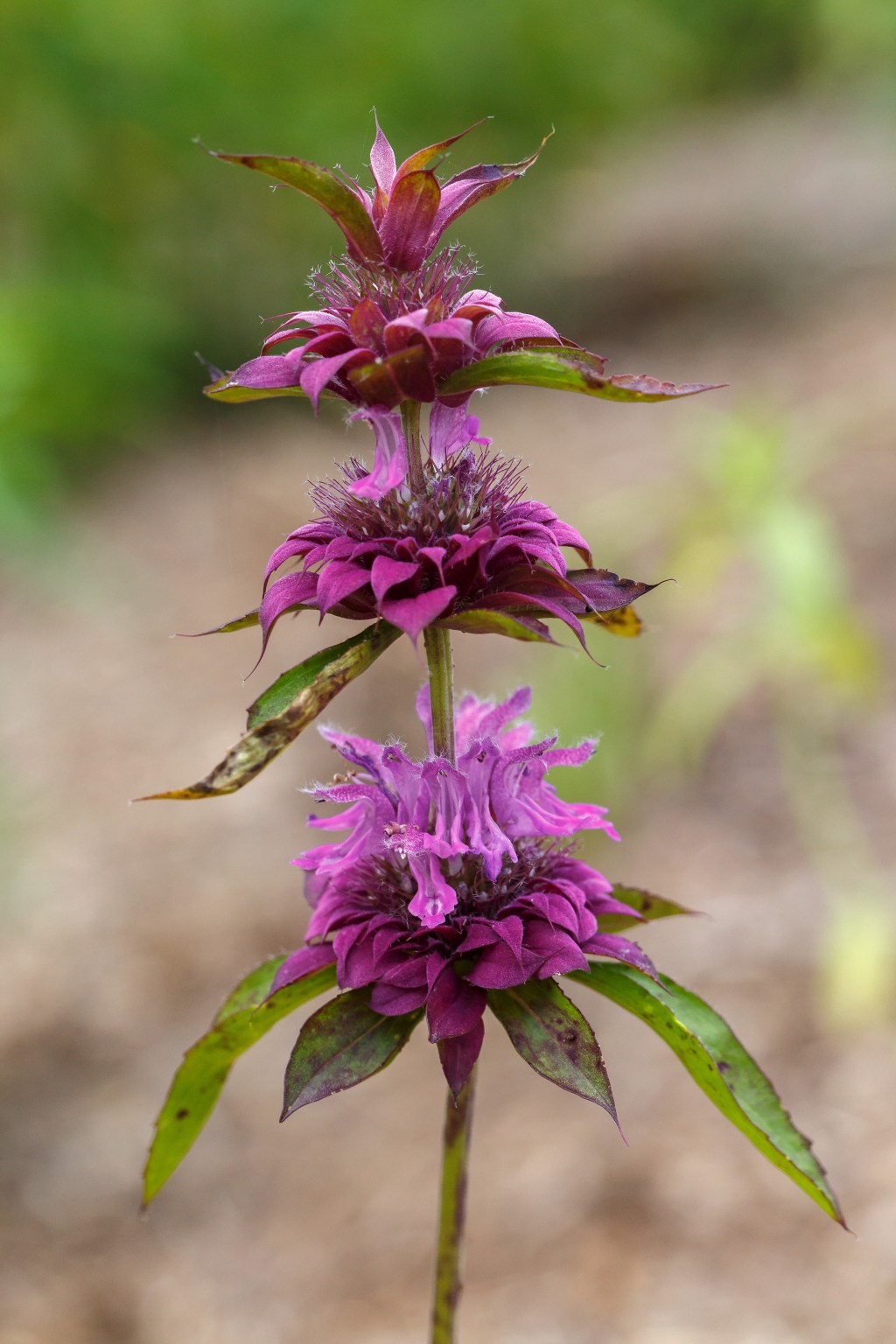
Monarda didyma – Scarlet Bee Balm

Botanical Family Lamiaceae

Bloom Time July – August

Pollen Characteristics

Dispersal Unit Monad

Aperture Number 6

Aperture Type Colpus

Ornamentation Reticulate

Tectum Semitectate

Size (um) 60

Shape Round 

Pollen Color White

Honey Bee Resources

Pollen Source •

Nectar Source • •

Monarda citriodora – Lemon Bee Balm

Botanical Family Lamiaceae

Bloom Time May – August

Pollen Characteristics

Dispersal Unit Monad

Aperture Number 6

Aperture Type Colpus

Ornamentation Reticulate

Tectum Semitectate

Size (um) 70

Shape Round 

Pollen Color White

Honey Bee Resources

Pollen Source •

Nectar Source •

Flower photo contributed by Mount Cuba


Lilium–Liliy

Lilium canadense

Lilium iridollae


Hydrangea radiata – Silverleaf Hydrangea

Botanical Family Hydrangeaceae

Bloom Time June – September

Pollen Characteristics

Dispersal Unit Monad

Aperture Number 3

Aperture Type Compound

Ornamentation Porate/Perforate

Tectum Eutectate

Size (um)

Shape Round

Pollen Color 

Honey Bee Resources

Pollen Source

Nectar Source

Flower photo contributed by Mount Cuba

Lamium

Lamium purpureum 

Lamium amplexicaule


Lamium purpureum – Purple Deadnettle

Botanical Family Lamiaceae

Bloom Time May – November

Pollen Characteristics

Dispersal Unit Monad

Aperture Number 3

Aperture Type Mircoreticulate

Ornamentation Granulate/Perforate

Tectum Eutectate

Size (um) 31

Shape Triangular

Pollen Color Orange, Red

Pollen Load Identification 

Honey bee foragers collecting Lamium purpureum will typically also have a pollen dusting on their head and antennae.

Lamium spp. are valuable for brood building. All members of the mint family are attractive to bees.

Source

Hodges, D. (1952). The pollen loads of the honey bee: a guide to their identification by colour and form. London: Bee Research Assoc. Ltd.

Sammataro, D. and Harman, A. (2013). “Major Flowers Important to Honey Bees in the Northeast and Mid-Atlantic States”. AlphaGraphics, Tucson, AZ.