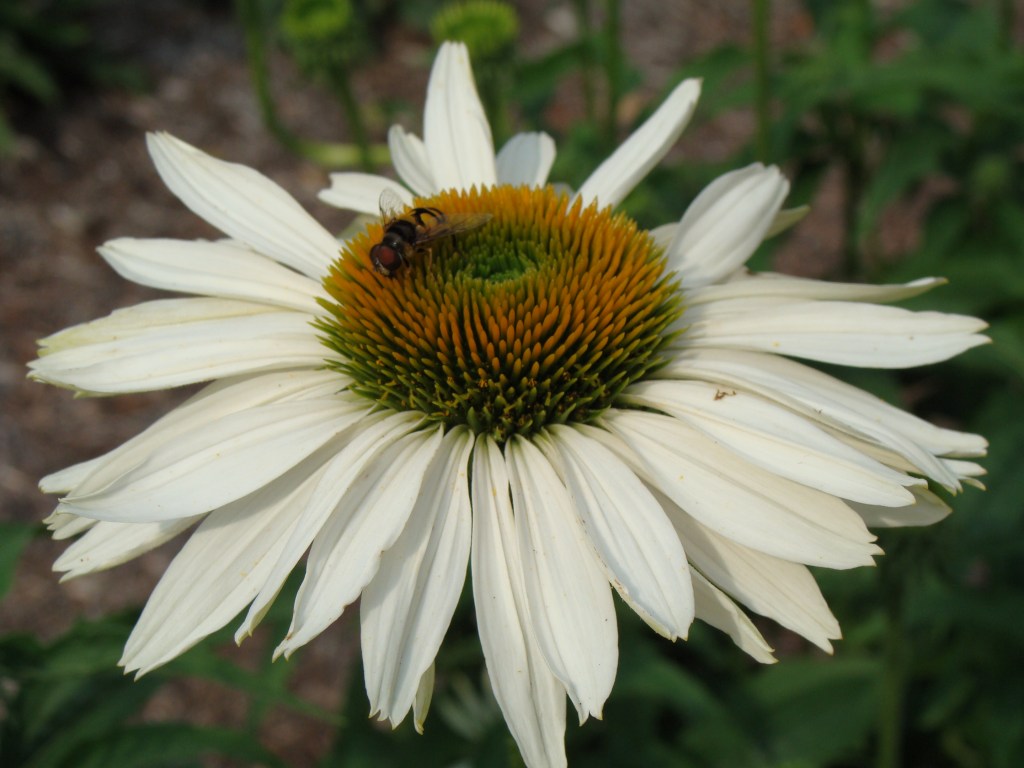
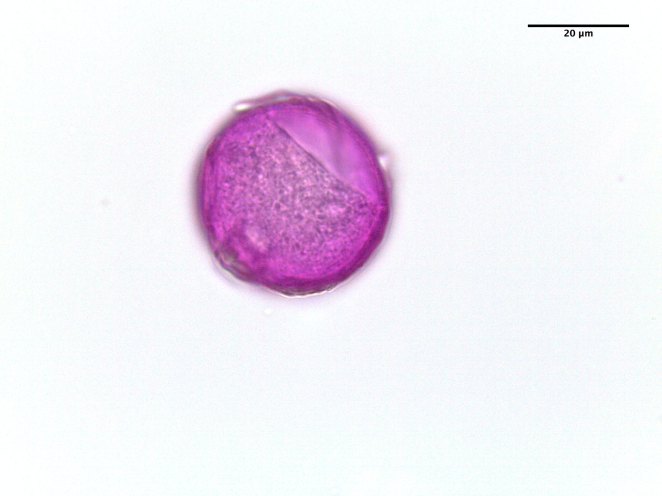
Impatiens spp. – Jewelweed

Botanical Family Balsaminaceae

Bloom Time June – October

Pollen Characteristics

Dispersal Unit Monad

Aperture Number Inaperturate

Aperture Type N/A

Ornamentation Granulate

Tectum Eutectate

Size (um) 32

Shape Oval

Pollen Color White

Honey Bee Resources

Pollen Source

Nectar Source

Begonia spp. – Begonia

Botanical Family Begoniaceae

Bloom Time June – Frost

Pollen Characteristics

Dispersal Unit Monad

Aperture Number 3

Aperture Type Colpus

Ornamentation Microreticulate

Tectum Eutectate

Size (um) 

Shape Round

Pollen Color 

Honey Bee Resources

Pollen Source

Nectar Source

Vicia faba – Broad Bean

Botanical Family: Fabaceae

Bloom Time July – October

Pollen Characteristics

Dispersal Unit Monad

Aperture Number 3

Aperture Type Compound

Ornamentation Granulate/Psilate

Tectum Eutectate

Size (um) 44

Shape Round

Pollen Color Light Green, Green, Olive

Honey Bee Resources

Pollen Source • • •

Nectar Source •

Fava beans are a winter legume crop. Faba beans conserve the soil nitrogen and assets in breaking disease and weed cycles, and are therefore of great interest to farmers. The flowering of Faba beans is prolific, but only 10-20% of flowers actually produce pods. The presence of honey bees is said to accelerate the rate of set of bean pods. Studies have also observed that Faba plants with access to bees set more pods on the lower nodes and ripen earlier with significantly more seeds per pod. The use of the plant by honey bees has the potential to increase the yield by 19-52%. However, Faba beans provide very little nectar to honey bees, but do collect a reasonable quantity of pollen from the plants.

Sources:

Somerville, Doug. (2002). Honeybees in Faba Bean Pollination. NSW Agriculture

Lobelia inflata – Indian Tobacco

Botanical Family: Campanulaceae

Bloom Time  June – October

Pollen Characteristics

Dispersal Unit Monad

Aperture Number 3

Aperture Type Compound

Ornamentation Granulate/Perforate

Tectum Eutectate

Size (um)

Shape Round

Pollen Color Tan, Dark Yellow

Honey Bee Resources

Pollen Source

Nectar Source

Salvia coccinea – Texas Sage

Botanical Family Lamiaceae

Bloom Time July – October

Pollen Characteristics

Dispersal Unit Monad

Aperture Number 3

Aperture Type Colpus

Ornamentation Granulate/Psilate

Tectum Eutectate

Size (um) 

Shape Round

Pollen Color 

Honey Bee Resources

Pollen Source • •

Nectar Source • • •

Pollen Load Identification 

No pollen loads are typically seen on the honey bee foraging on Salvia spp., but there is typically a pollen dusting seen on the bee’s anterior thorax and abdomen.

Sources

Hodges, D. (1952). The pollen loads of the honey bee: a guide to their identification by colour and form. London: Bee Research Assoc. Ltd.


Taraxacum officinale – Dandelion

Botanical Family Asteraceae

Bloom Time March – December

Pollen Characteristics

Dispersal Unit Monad

Aperture Number 3

Aperture Type Porate

Ornamentation Lophate

Tectum Eutectate

Size (um) 35

Shape Round

Pollen Color Orange

Honey Bee Resources

Pollen Source

Nectar Source

Pollen Load Identification

Taraxacum pollen load is typically a large packet on the corbicula, but the pollen can also be found dusted on the head and antennae, and posterior thorax and abdomen of a foraging bee.

Resources

Hodges, D. (1952). The pollen loads of the honey bee: a guide to their identification by colour and form. London: Bee Research Assoc. Ltd.

Lindtner, P. (2014). Garden Plants for Honey Bees. Kalamazzo: Wicwas Press.

Rudbeckia fulgida – Orange Coneflower

Botanical Family Asteraceae

Bloom Time June – October

Pollen Characteristics

Dispersal Unit Monad

Aperture Number 3

Aperture Type Compound

Ornamentation Echinate

Tectum Eutectate

Size (um) 27

Shape Round

Pollen Color Yellow, Orange

Honey Bee Resources

Pollen Source • •

Nectar Source •

Flower photos contributed by Mount Cuba

Echinacea ‘Fragrant Angel’ – Purple Coneflower

Botanical Family Asteraceae

Bloom Time June – November

Pollen Characteristics

Dispersal Unit Monad

Aperture Number 3

Aperture Type Colpus

Ornamentation Echinate

Tectum Eutectate

Size (um)

Shape Round

Pollen Color

Honey Bee Resources

Pollen Source

Nectar Source

Flower photo contributed by Mount Cuba

Nicotiana tabacum – Tobacco

Botanical Family Solanaceae

Bloom Time June – October

Pollen Characteristics

Dispersal Unit Monad

Aperture Number 1

Aperture Type Compound

Ornamentation Granulate/Perforate

Tectum Eutectate

Size (um) 

Shape Round

Pollen Color

Honey Bee Resources

Pollen Source

Nectar Source