Lamprocapnos spectabilis – Bleeding Heart


Botanical Family Papaveraceae

Bloom Time April – May

Pollen Characteristics

Dispersal Unit Monad

Aperture Number 3

Aperture Type Colpus

Ornamentation Reticulate

Tectum Semitectate

Size (um) 

Shape Round

Pollen Color

Stylophorum diphyllum – Celandine Poppy

Botanical Family Papaveraceae

Bloom Time April – June

Pollen Characteristics

Dispersal Unit Monad

Aperture Number 3

Aperture Type Sulcus

Ornamentation Granulate/Psilate

Tectum Eutectate

Size (um) 

Shape Round

Pollen Color Yellow

Honey Bee Resources

Pollen Source • •

Nectar Source • •

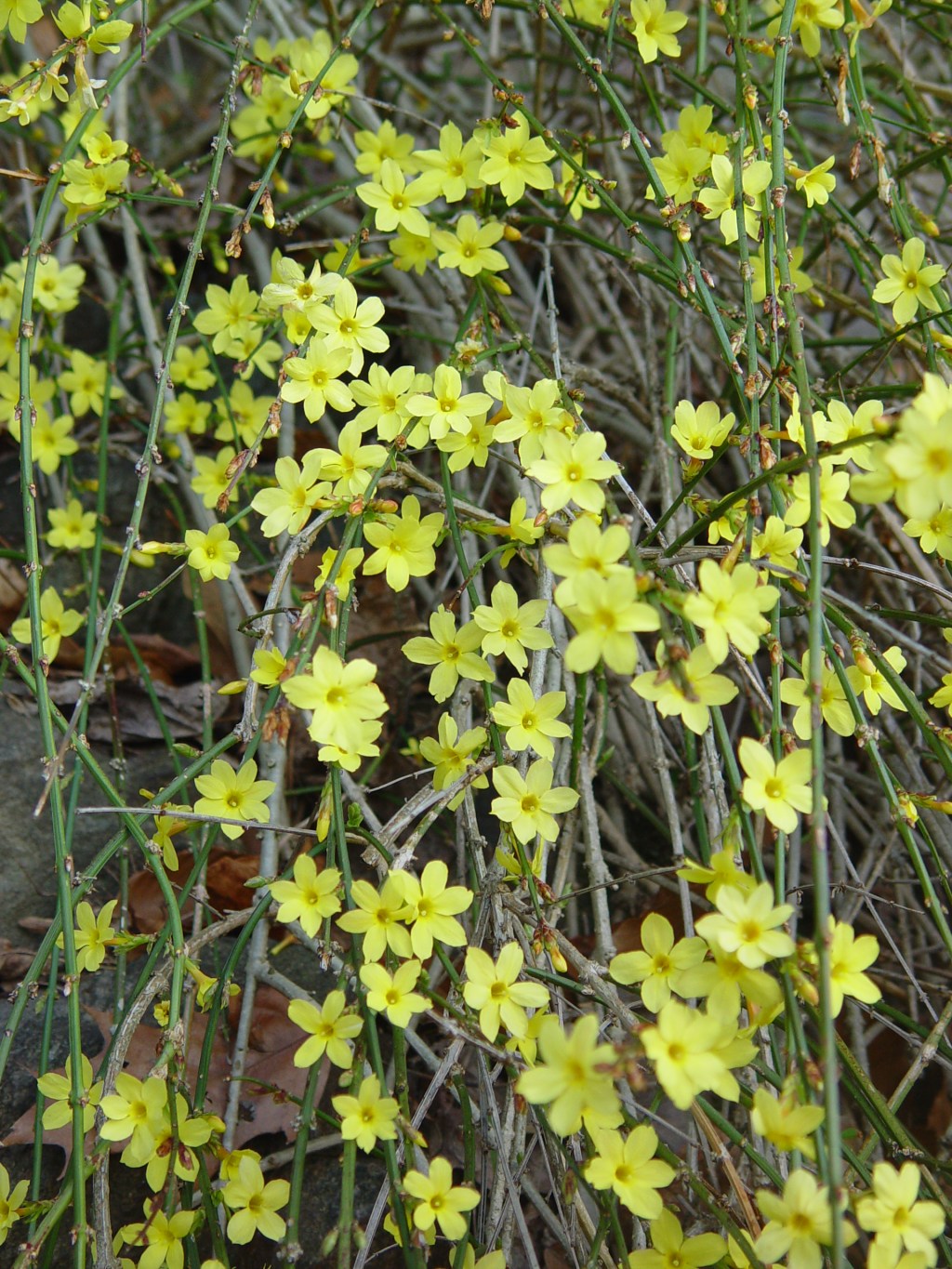
Jasminum nudiflorum – Winter Jasmine


Botanical Family Oleacea

Bloom Time March – April

Pollen Characteristics

Dispersal Unit Monad

Aperture Number 3 – 4

Aperture Type Colpus

Ornamentation Microreticulate

Tectum Semitectate

Size (um) 

Shape Round

Pollen Color Dark Yellow

Honey Bee Resource

Pollen Source • •

Nectar Source • •

Flower photo contributed by Mount Cuba

Claytonia virginica – Spring Beauty

Botanical Family Montiaceae

Bloom Time April

Pollen Characteristics

Dispersal Unit Monad

Aperture Number 3

Aperture Type Colpus

Ornamentation Granulate/Psilate

Tectum Eutectate

Size (um) 

Shape Round

Pollen Color

Honey Bee Resources

Pollen Source

Nectar Source

Flower photo contributed by Mount Cuba

Trillium grandiflorum – White Trillium

Botanical Family Melanthiaceae

Bloom Time April – June

Pollen Characteristics

Dispersal Unit Monad

Aperture Number 1

Aperture Type Sulcus

Ornamentation Granulate

Tectum Eutectate

Size (um) 

Shape Round

Pollen Color

Honey Bee Resources

Pollen Source

Nectar Source

Mazus spp. – Mazus


Botanical Family Mazaceae

Bloom Time June – July

Pollen Characteristics

Dispersal Unit Monad

Aperture Number 3

Aperture Type Colpus

Ornamentation Granulate/Psilate

Tectum Eutectate

Size (um) 

Shape Round

Pollen Color

Honey Bee Resources

Pollen Source

Nectar Source

Flower photo contributed by Mount Cuba

Salvia coccinea – Texas Sage

Botanical Family Lamiaceae

Bloom Time July – October

Pollen Characteristics

Dispersal Unit Monad

Aperture Number 3

Aperture Type Colpus

Ornamentation Granulate/Psilate

Tectum Eutectate

Size (um) 

Shape Round

Pollen Color 

Honey Bee Resources

Pollen Source • •

Nectar Source • • •

Pollen Load Identification 

No pollen loads are typically seen on the honey bee foraging on Salvia spp., but there is typically a pollen dusting seen on the bee’s anterior thorax and abdomen.

Sources

Hodges, D. (1952). The pollen loads of the honey bee: a guide to their identification by colour and form. London: Bee Research Assoc. Ltd.


Mentha spicata – Spearmint


Botanical Family Lamiaceae

Bloom Time July – August

Pollen Characteristics

Dispersal Unit Monad

Aperture Number 3

Aperture Type Porate

Ornamentation Psilate

Tectum Eutectate

Size (um) 

Shape Round

Pollen Color White

Honey Bee Resources

Pollen Source • •

Nectar Source • • • •

Ajuga spp. – Bugle

Botanical Family Lamiaceae

Bloom Time May – June

Pollen Characteristics

Dispersal Unit Monad

Aperture Number 3

Aperture Type Colpus

Ornamentation Granulate/Psilate

Tectum Eutectate

Size (um) 

Shape Round

Pollen Color 

Honey Bee Resources

Pollen Resource • •

Nectar Resource •

Agastache spp. – Anise

Botanical Family Lamiaceae

Bloom Time June – September

Pollen Characteristics

Dispersal Unit Monad

Aperture Number 6

Aperture Type Colpus

Ornamentation Granulate/Psilate

Tectum Eutectate

Size (um) 

Shape Round

Pollen Color